
Navigating The British Tax Labyrinth: Why Uk Accounting Services Are Essential For Expats

Welcome to the intricate world of the UK tax system, a seemingly complex labyrinth that can bewilder even the most seasoned expats. But fear not, for within this maze lies a treasure trove of opportunities to optimize your finances while residing in the United Kingdom. Understanding the nuances of the UK tax code can be your key to unlocking significant financial benefits.
As an expat, you might feel like you’re sailing into uncharted waters, but with the right knowledge and support, navigating these fiscal challenges becomes an adventure rather than a chore. Whether you’re dealing with tax residency status or seeking the advantages of double taxation agreements, having a comprehensive grasp of the system is crucial. Let us guide you through this journey to ensure your financial success in the UK.
Understanding the UK Tax System for Expats
The UK tax landscape can feel like a maze for expats, but understanding its key elements is essential for navigating it effectively. This section demystifies the main components relevant to non-residents.
As an expat, your tax obligations in the UK depend on your residency status, income sources, and applicable tax treaties. Let’s explore how these factors interact to shape your financial responsibilities.
Key Components of the UK Tax System for Expats
The UK tax system comprises several elements that expats need to consider. These include income tax, National Insurance contributions, and potential capital gains tax. Each category has distinct rules and rates, particularly for those who are non-residents.
Tax Categories and Rates for Non-Residents
Understanding the tax categories and rates is crucial for non-residents working or investing in the UK. Here’s a breakdown:
- Income Tax: Non-residents are subject to UK tax only on UK-sourced income. The rates are segmented into basic, higher, and additional rates.
- National Insurance: Often not applicable for non-residents; however, exceptions exist depending on your work situation.
- Capital Gains Tax: Non-residents might be liable if they dispose of UK property or have UK business interests.
Double Taxation Agreements: A Financial Saviour
Double taxation agreements (DTAs) are crucial for expats, as they prevent being taxed on the same income in two countries. The UK has treaties with numerous countries, providing relief and ensuring clarity on tax liabilities.
“DTAs are your shield against paying more than necessary.”
These agreements delineate which country has the taxing rights over different types of income, offering peace of mind and financial efficiency.
Tax Residency Status: The Deciding Factor
Your tax residency status is pivotal in determining your UK tax obligations. It influences whether you’re taxed as a resident or a non-resident, impacting the scope of taxes imposed:
| Criteria | Resident | Non-Resident |
|---|---|---|
| Tax on Worldwide Income | Yes | No |
| Tax on UK Income | Yes | Yes |
| Eligibility for Personal Allowance | Yes | Limited |
Determining your residency requires understanding the statutory residency test, which considers factors like time spent in the UK and ties to the country.
Essential UK Accounting Services for Expats
Moving to a new country is an exciting journey, yet the complexity of foreign tax systems can often feel like navigating a labyrinth. For expats in the UK, understanding the nuances of the British tax code is crucial.
Professional UK accounting services are indispensable allies for expatriates, ensuring that they not only comply with local regulations but also optimize their financial efficiency.
Key Accounting Services That Support Expats
Expats in the UK can benefit significantly from a range of specialized accounting services tailored to their unique circumstances. From tax planning to compliance, these services ensure a smooth financial transition.
- Tax Consultation and Planning: Tailored advice to minimize tax liabilities.
- Filing Assistance: Accurate preparation and submission of UK tax returns.
- Double Taxation Relief: Strategies to avoid being taxed twice on the same income.
- National Insurance Contributions: Guidance on contributions to secure UK benefits.
- Investment Advice: Optimal strategies for managing and growing investments within the UK market.
The Role of Professional Accountants in Navigating UK Taxes
Professional accountants serve as navigators through the intricate paths of UK taxation, providing invaluable expertise and peace of mind. Their role extends beyond simple number crunching, offering strategic insights and proactive solutions.
Having a knowledgeable accountant is not just advisable; it’s a strategic necessity for expats aiming to thrive in the UK.
With their in-depth understanding of the UK’s ever-evolving tax laws, accountants help expats identify applicable reliefs and deductions, ensuring compliance while optimizing financial health.
Importance of Compliance with UK Financial Regulations
Staying compliant with UK financial regulations is more than a legal obligation; it’s a safeguard against potential fines and penalties, which can be costly both financially and reputationally.
Accountants play a critical role in keeping expats updated on regulatory changes, assisting in timely filings, and ensuring meticulous record-keeping.
| Aspect | Considerations |
|---|---|
| Tax Deadlines | Adhering strictly to submission dates to avoid penalties. |
| Documentation | Maintaining accurate and thorough records for all financial transactions. |
| Regulatory Updates | Staying informed about new legislation and its implications. |
Procedures for Selecting a Reliable UK Accounting Service Provider
Choosing the right accounting service provider is a critical decision for any expat looking to effectively manage their UK finances. Here are key steps to guide you in making an informed choice:
- Research potential firms, focusing on their experience with expatriate clients.
- Read reviews and testimonials to gauge client satisfaction.
- Verify qualifications and accreditations to ensure professional credibility.
- Request a consultation to discuss your specific needs and challenges.
- Compare pricing structures to ensure affordability without compromising quality.
By taking these steps, expats can ensure they select a provider who will not only meet but exceed their financial management needs.
Challenges Faced by Expats in the UK Tax System
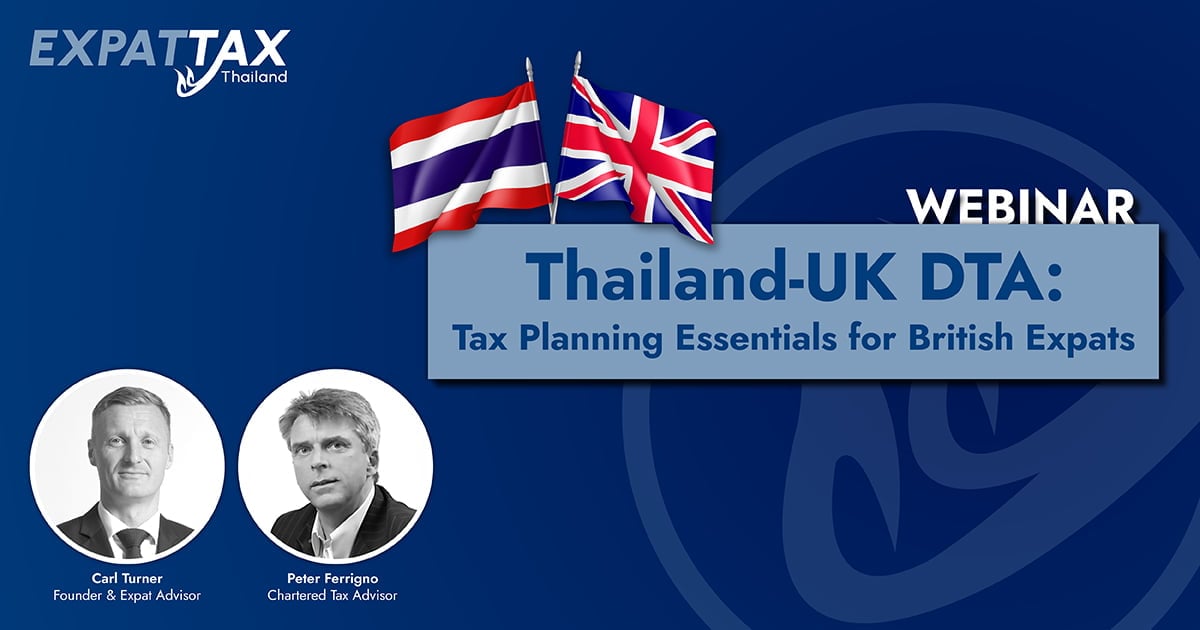
Moving to the UK presents a thrilling opportunity for expats, but navigating its tax system can be daunting. Understanding the common challenges and financial pitfalls is essential to ensure compliance and avoid unforeseen penalties.
The UK tax system, while robust, poses unique challenges to expats, who often find themselves entangled in a web of unfamiliar rules and regulations. From understanding residency status to managing dual taxation, expats must be vigilant to maintain financial health in their new home.
Understanding Residency and Its Tax Implications
One of the most critical challenges is determining your residency status, which dictates your tax obligations. Misunderstanding this can lead to paying taxes incorrectly or missing out on potential tax reliefs. The UK employs the Statutory Residence Test (SRT) to ascertain your tax residency, a complex evaluation that considers the number of days spent in the UK, family ties, and employment status.
Incorrectly assessed residency can lead to double taxation or penalties for non-compliance.
Common Financial Pitfalls for Expats
Expats often fall into the trap of double taxation, especially if their home country doesn’t have a Double Taxation Agreement (DTA) with the UK. This means they could be taxed on the same income in both countries. To avoid this, it’s imperative to seek professional advice to understand DTAs and leverage any available tax credits or exemptions. Another pitfall is neglecting to declare overseas income, which can result in severe penalties from HMRC. Ensuring full disclosure and proper documentation is crucial to sidestep these issues.
Comparative Challenges in Global Tax Systems
Expats from countries with simpler tax systems, like Hong Kong or Singapore, might find the UK’s regulations overwhelming. The UK’s emphasis on self-assessment requires meticulous record-keeping and awareness of filing deadlines, contrasting sharply with countries where tax is deducted at source with minimal individual intervention. This table artikels typical compliance challenges and their solutions:
| Challenge | Solution |
|---|---|
| Understanding Residency | Consult HMRC guidelines or seek professional advice. |
| Double Taxation | Utilize Double Taxation Agreements and tax credits. |
| Overseas Income Declaration | Maintain comprehensive records and declare all income. |
| Self-Assessment Complexity | Engage UK-based accounting services for guidance. |
Tax Planning Strategies for Expats
Embarking on a new journey as an expat in the UK can be thrilling, but navigating the intricacies of the British tax system requires careful planning. Developing effective tax strategies is key to optimizing your financial wellbeing while living abroad.
Strategically managing your tax liabilities not only enhances your economic stability but also ensures compliance with UK tax laws. By understanding and implementing effective tax planning strategies, you can maximize your financial efficiency and minimize potential tax burdens.
Effective Strategies for Optimizing Tax Liabilities
To effectively manage your tax liabilities while living in the UK as an expat, it is essential to utilize available tax reliefs and allowances. These can significantly aid in reducing the overall tax burden. For instance, the UK offers a variety of reliefs, such as the Personal Allowance, which provides a tax-free income threshold. Understanding these reliefs and using them to your advantage can enhance your financial strategy.
Moreover, expats should be aware of the Double Taxation Agreements (DTA) that the UK has with other countries. These agreements are in place to prevent you from being taxed twice on the same income. By leveraging DTAs, you can ensure that you are not overpaying on your tax obligations.
Long-term Tax Planning Tips for Expats
- Ensure you register for the correct tax residency status to optimize your tax obligations.
- Take advantage of the UK’s tax-free allowances, such as the Personal Allowance and Marriage Allowance if applicable.
- Regularly review your tax situation, especially if your personal circumstances change.
- Consider professional accounting services to navigate complexities and optimize tax benefits.
- Utilize pension contributions and investments to reduce taxable income.
- Stay informed about changes in UK tax laws that could impact your financial strategy.
“Effective tax planning is not just about compliance—it’s about strategically positioning yourself to achieve financial freedom and peace of mind.”
The Role of Technology in UK Accounting Services
In the ever-evolving landscape of financial management, technology has become a game-changer for expats navigating the intricate labyrinth of the UK tax system. Embracing cutting-edge tools and platforms, UK accounting services are now more efficient and user-friendly than ever before.
With digital transformation sweeping across all sectors, accounting services are no exception. These advancements are not only redefining the way expats handle their finances but are also providing them with the confidence to make informed decisions.
Revolutionizing Tax Management with Digital Tools
Gone are the days when expats had to shuffle through piles of paperwork or decipher complex tax codes on their own. Today, digital tools offer streamlined solutions that simplify every aspect of tax management. From automated calculations to real-time updates, these tools ensure that expats stay compliant and informed about their tax obligations.
Platforms like QuickBooks and TurboTax have made it easier for expats to manage their financial data, providing a comprehensive overview at the click of a button. These tools offer features such as expense tracking, tax deduction calculations, and even chatbots for instant customer support.
Benefits of Accounting Software for Expat Finances
Utilizing accounting software is not just about convenience; it offers a myriad of benefits that enhance financial management for expats. These platforms allow for seamless integration of various financial elements, ensuring a more holistic view of one’s financial health.
- Accuracy and Efficiency: Automating routine tasks reduces the likelihood of human error, saving time and effort.
- Real-Time Access: Expats can access their financial data anytime, anywhere, providing them with the flexibility needed in today’s fast-paced world.
- Cost-Effectiveness: By minimizing the need for extensive manual labor, expats can save on potential accounting fees.
Streamlining Tax Processes through Technological Integration
The integration of technology in tax processes is not just a trend; it’s a necessity. Expats often face unique challenges when it comes to tax compliance, and technology serves as a powerful ally in overcoming these hurdles.
Through advanced algorithms and AI-driven analytics, accounting services can now predict tax obligations and identify potential deductions, offering personalized solutions tailored to each individual’s needs. This integration not only streamlines processes but also ensures heightened security for sensitive financial information.
“Technology is the compass that guides expats through the complex maze of UK taxation.”
By leveraging these digital advancements, expats can focus on what truly matters—building their lives and careers in the UK—while leaving the complexities of tax management to the experts.
Future Trends in UK Taxation and Accounting for Expats
As the global landscape shifts, so too does the realm of taxation and accounting, particularly for expats in the UK. Today, we delve into the future trends that could redefine the way expats interact with the British tax system.
With globalization and technological advancements, the UK tax framework is witnessing unprecedented changes. Accounting services are evolving, aiming to provide more streamlined and efficient assistance to expats navigating this complex terrain.
Emerging Trends in UK Taxation Impacting Expats
In recent years, the UK has seen a marked increase in digital taxation. As the government strives to modernize, expats should be prepared for a more digitized and transparent tax filing system. The Making Tax Digital initiative exemplifies this shift, aiming to simplify tax reporting through technology, reducing errors and ensuring compliance. As these changes unfold, expats may find themselves relying more heavily on digital platforms to manage their taxes efficiently.
The Evolving Role of Accounting Services in a Digital World
Accounting services are no longer just about crunching numbers. In today’s digital age, they are becoming advisors and strategists. The rise of cloud computing and artificial intelligence means that accountants can now offer real-time insights and analytics, helping expats make informed decisions. These technological advancements are making the traditional role of accountants more dynamic, ensuring expats are better equipped to handle their financial obligations in the UK.
Predictions for Future Changes in Tax Policies for Expats
Looking ahead, experts predict several changes in UK tax policies that could affect expats. One potential shift is the introduction of more targeted tax incentives to attract skilled expats, aligning with the UK’s post-Brexit economic strategies. Additionally, there may be a move towards more personalized tax rates based on digital tracking of an individual’s global income, reflecting a growing trend towards tailored taxation that takes into account international earnings and assets.
| Aspect | Past Trends | Future Trends |
|---|---|---|
| Tax Filing Method | Manual submission, paper-based | Digital, online platforms |
| Accounting Services | Static, primarily number-focused | Dynamic, strategy-oriented |
| Policy Adaptability | Slow, infrequent updates | Rapid, technology-driven adjustments |
Prepare for a future where technology and taxation are seamlessly intertwined, making the expat’s journey through the UK tax labyrinth a little less daunting.
Final Thoughts
In conclusion, while the UK tax system poses its challenges, it also offers a myriad of opportunities for expats willing to explore its depths. By leveraging the expertise of professional UK accounting services and staying abreast of evolving tax trends, you can transform potential obstacles into strategic advantages. Embrace the future with confidence, knowing you are equipped with the knowledge and tools to master this fiscal labyrinth and thrive as an expat in the United Kingdom.
